Good overall package at a very good price
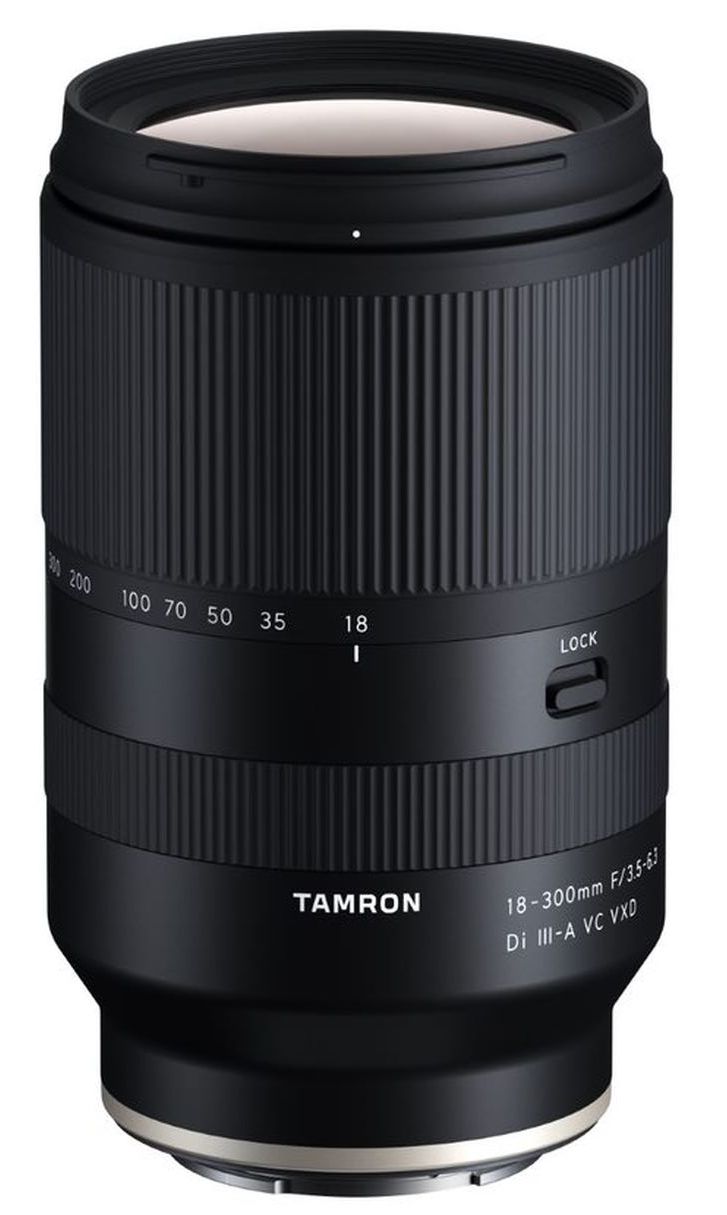
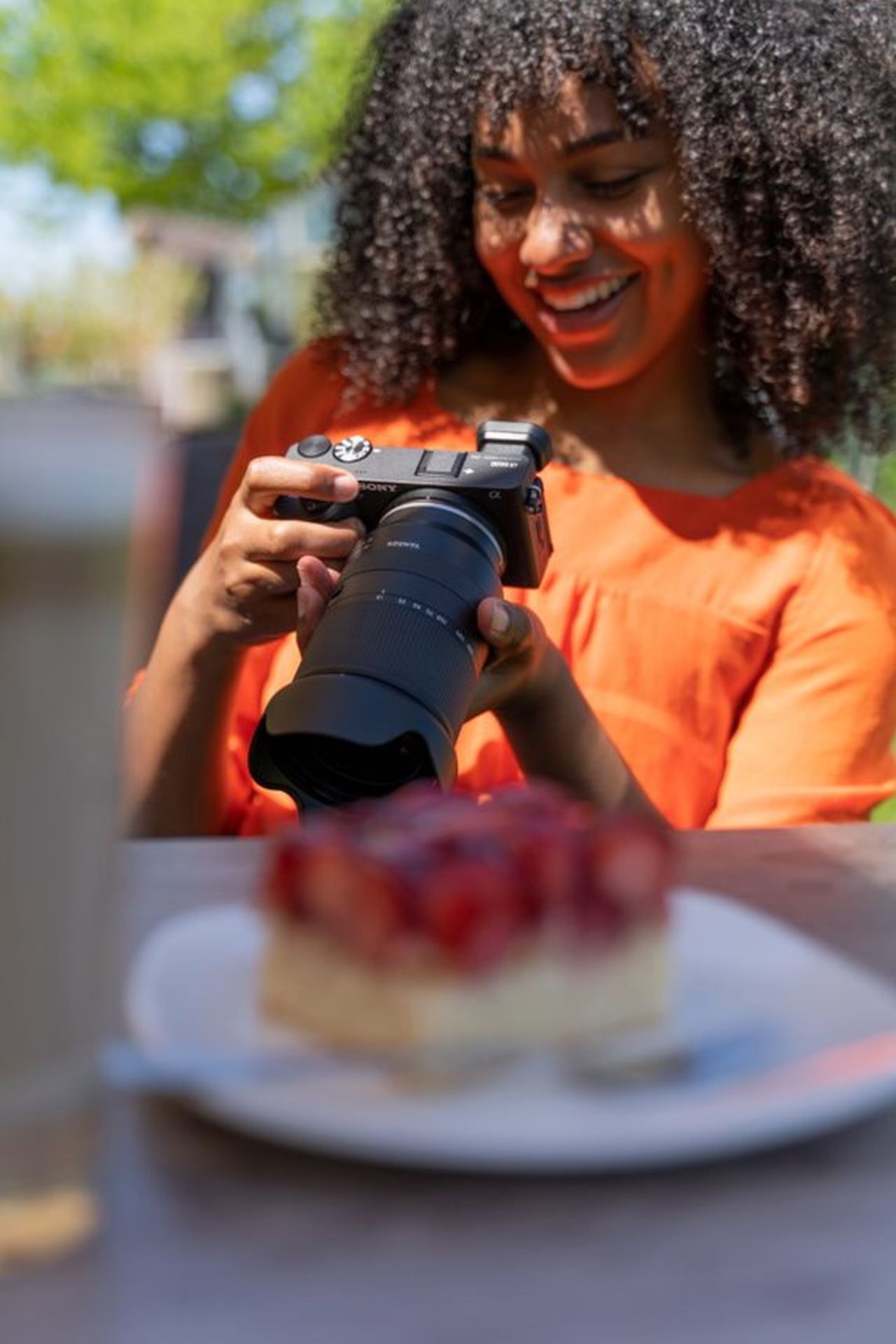
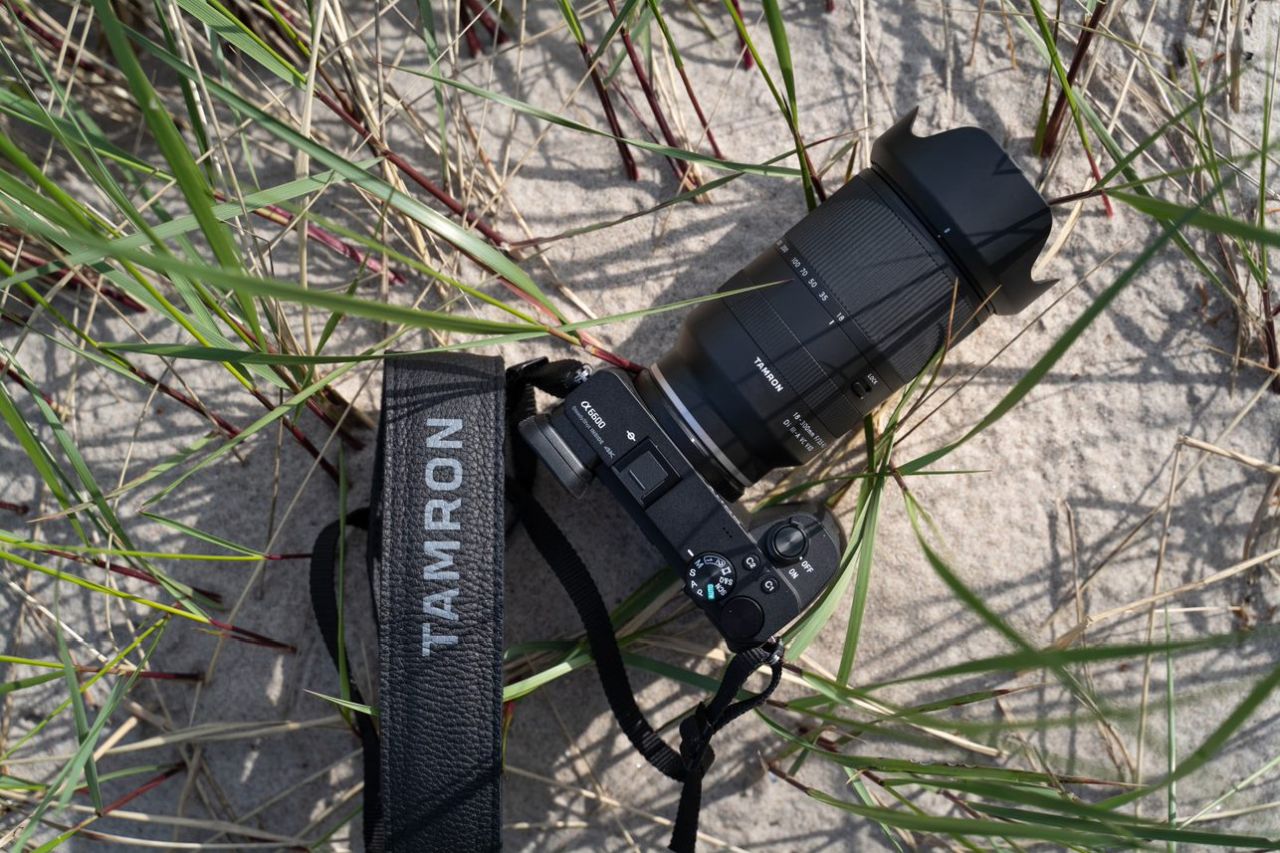
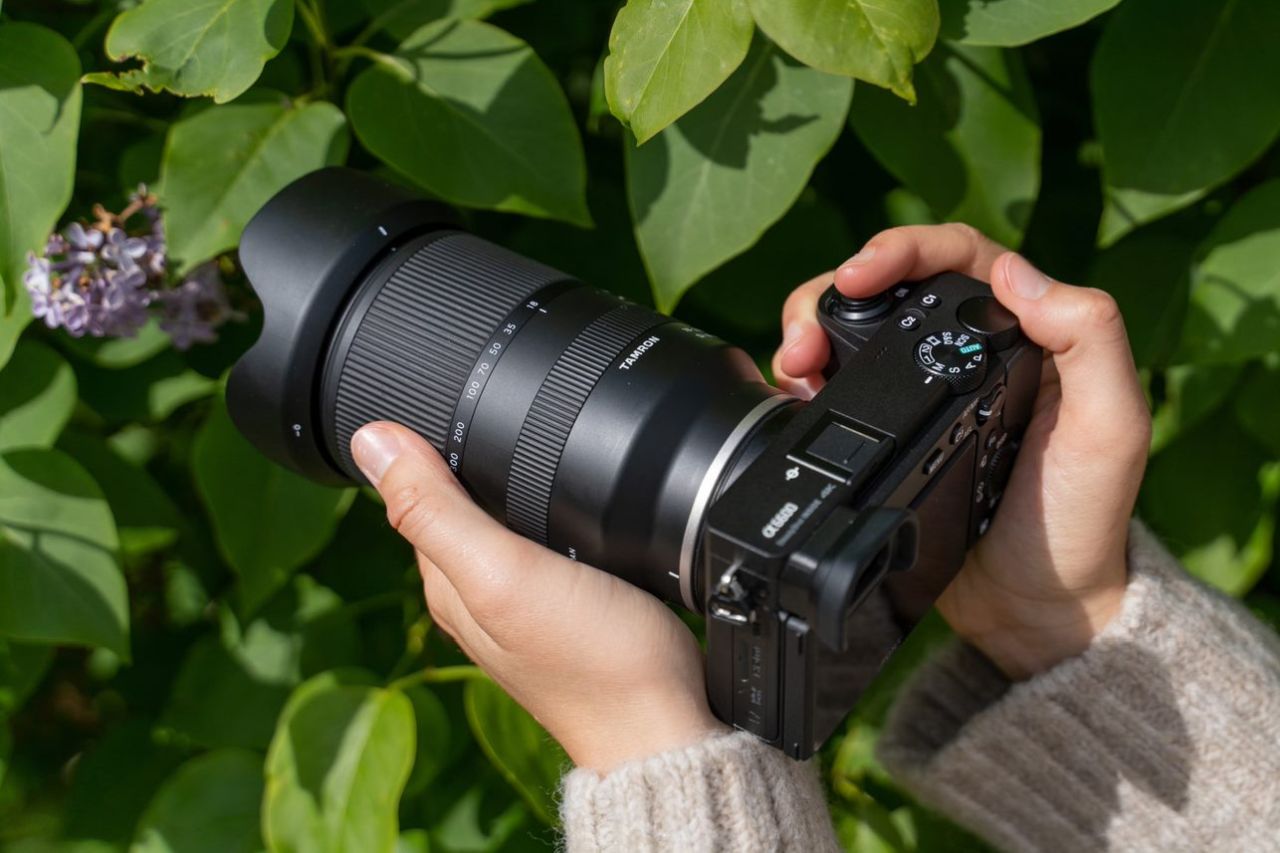
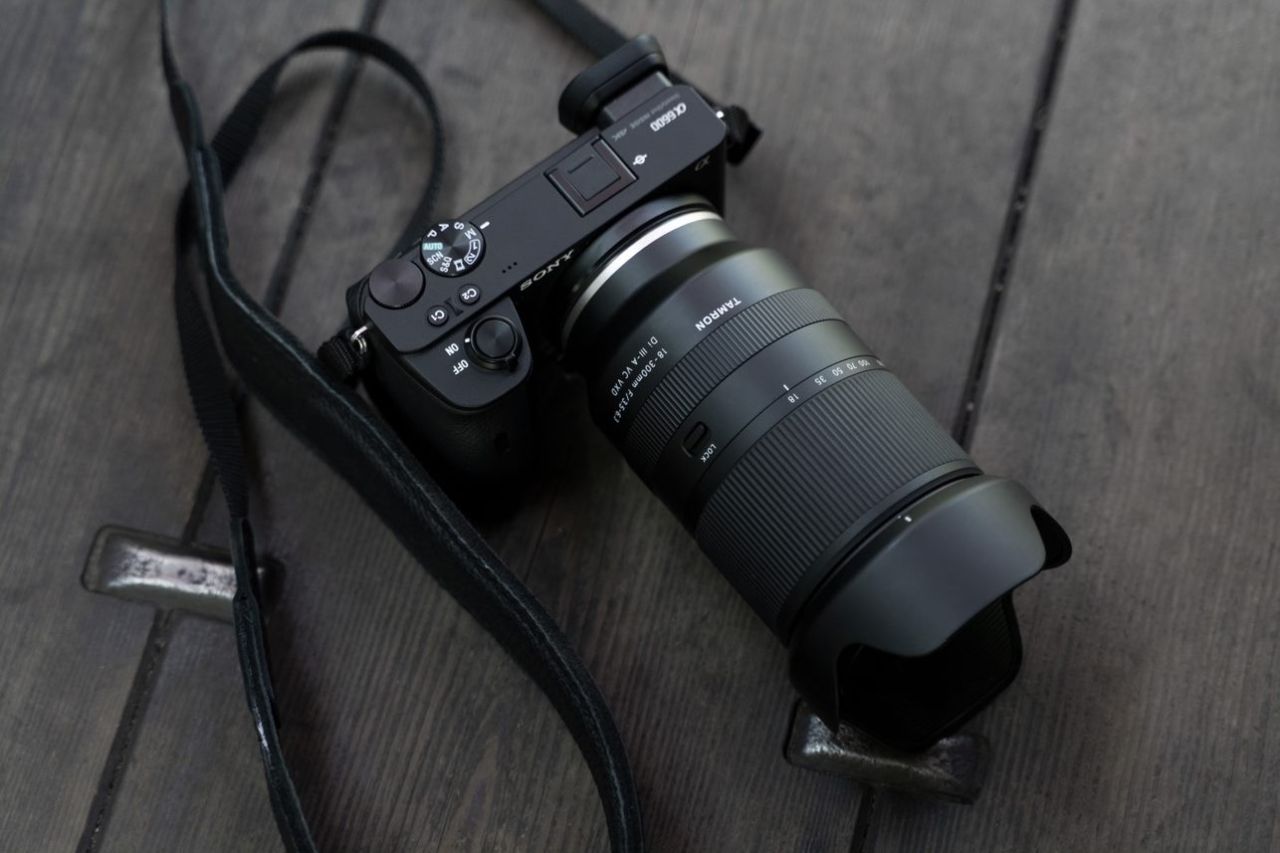
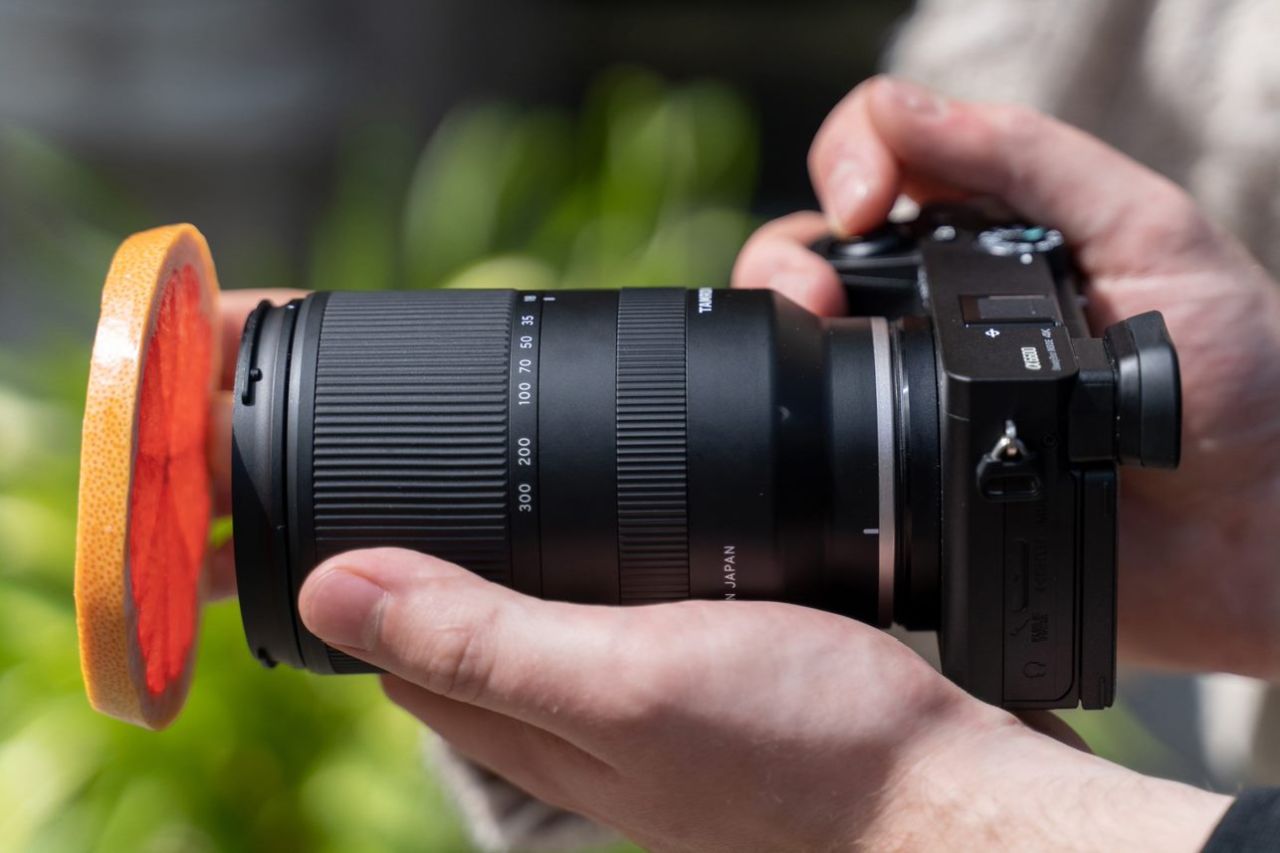
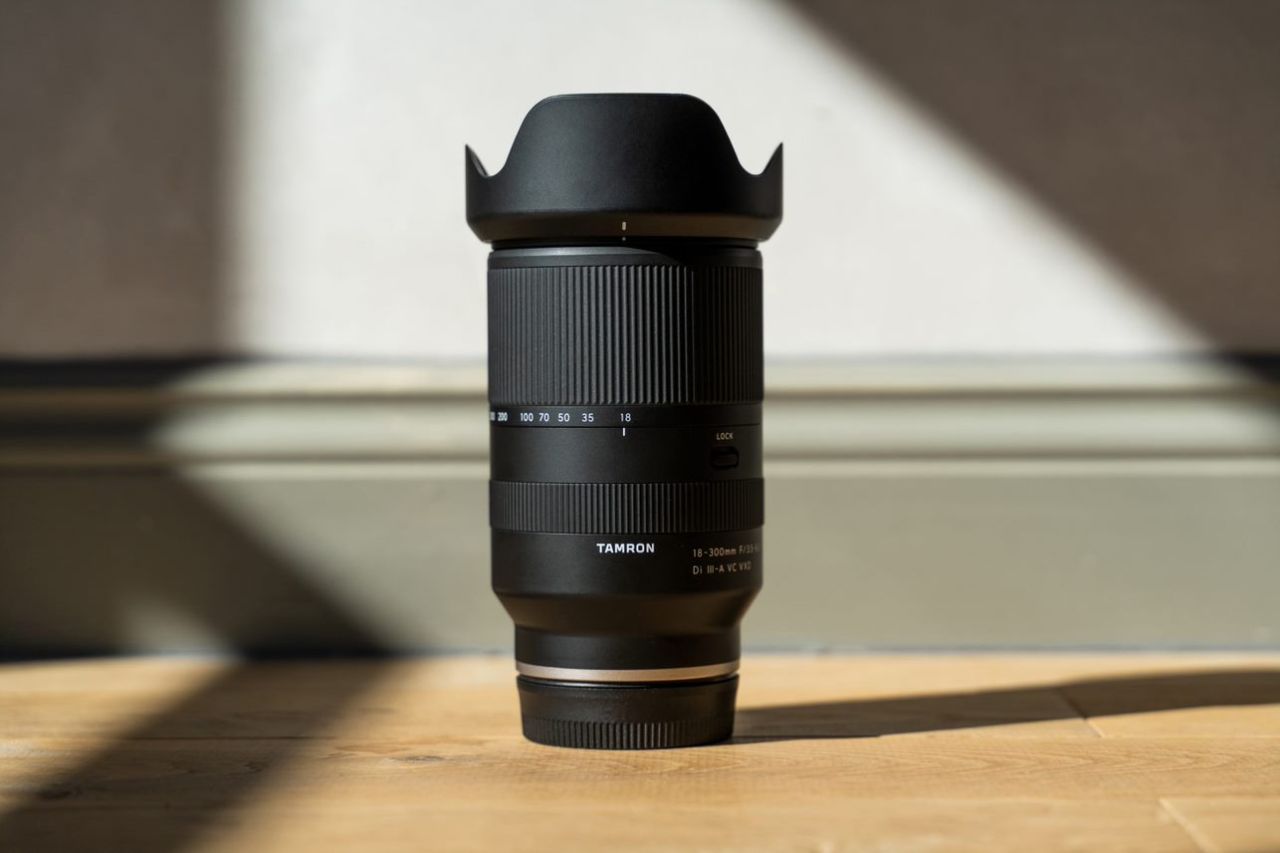
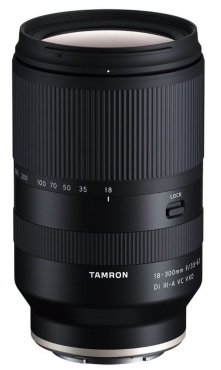
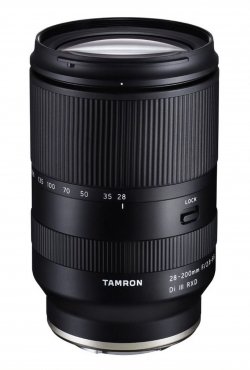
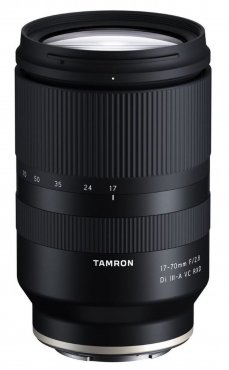
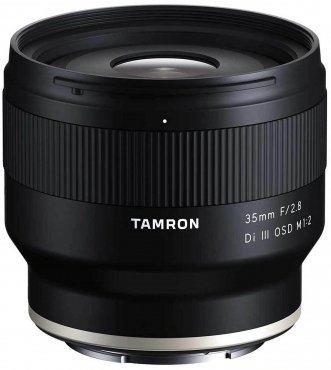
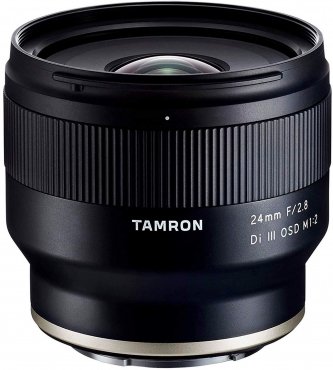
First of all: I use the 18-300 on a Sony Alpha 6700.I can take photos with the Tamron 18-300 that would not have been possible before. For me, that is an argument in favor of this lens. However, I found this lens difficult to use at first because it is not as fast as the Tamron 17-70. On paper, I thought it would be similar to the 17-70, but it is very different. For example, the mechanical zoom is not as "smooth" to adjust as the 17-70, which is just not as much fun and feels a bit cheap or "rough". As soon as the second tube extends, I feel a resistance that I have to overcome. Not so nice, but probably normal :). Physics and all that.Then there is the issue of sharpness. I feel that the Tamron 17-70 is already sharp, but the 18-300 is a bit blurrier. BUT: everything is relative. I also own a Sony fixed focal length (Sony 50mm 1.8 OSS (the APS-C lens)) and the 18-300 is amazingly sharp in comparison. And the old Sony is not absolutely bad either. It was praised at the time. Or to put it more clearly: I own all Tamron fixed focal lengths and yes, they are reasonably sharp and really cheap, but the 18-300 is not significantly less sharp. I have to enlarge the image considerably to see the difference. Edge blurring is an issue though. Maybe not so good for professional landscape photography, but I don't know :). At the appropriate aperture it gets a little better, but not significantly better hehe.The fact that the 18-300 has image stabilization built into the lens is really important for me, as I no longer have such a steady hand due to my age. Nevertheless, I had to get into the habit of taking photos in burst mode in certain situations, because it is quite easy to blur an image or get the focus wrong with the length of the lens. Despite the "correct" shutter speed. But the Sony Alpha 6700 can do that without breaking a sweat :). But that the birds can't sit still either, tz tz :).I bought the 18-300 because I have the insane belief that I only need to use one lens. This mysterious always-on lens. I'm not sure yet whether the 18-300 is the lens for me. The 18-300 is already quite heavy and large. But today I missed it and was annoyed not to have it with me. Its size also makes it look "professional" and some people react to it. However you evaluate this for yourself, everyone has to judge for themselves. So far there have been no complaints, but there have definitely been glances that don't exist with the small fixed focal lengths :). Especially on the beach, ... also somehow understandable. You could zoom in somewhere where it's not appropriate.What do I use the lens for? For animals, people, city and landscape. Strangely enough, I really like portraits with this lens. I hadn't expected that. This compression effect is something that I really like visually. The light intensity hardly bothers me (it just has to be reasonably bright, hehe). But I like portraits with the 17-70 a little better.The bokeh is nice, a bit "swirly", reminds me of the...Helios 44-2. It is clearly different from the 17-70 in this respect. With the 17-70 it is "soft", here it is "swirly". Something almost artistic.My experience with animals is that they should not be too far away. Anything further than ~10 meters away, I could not focus sensibly (handheld, without tripod). The closer the better. The expectation of photographing the small goosander in the middle of a large pond from the hand was unfortunately not fulfilled. However, catching the duck, gull or goose at the edge of the pond is very easy, as I can keep the necessary distance to prevent them from flying away.One thing that always brings me personally back to Tamron is the color and contrast. Now this is very subjective, but in combination with my Sony Alpha 6700, I really like the colors and contrast. It is very "warm". And yes, this can be corrected afterwards in Lightroom (or any other software), but often I want to "show" the photos immediately and when I use my Sony or Sigma lenses, it all looks quite "dull". Please bear in mind that I am an amateur and not a professional. And yes, I play around with white balance, but the effects with my Tamron lenses are much more visible. With my 1.8 50mm OSS APS-C from Sony, the colors and contrasts only get "right" from aperture 2.5-2.8. I don't experience such problems with Tamron, for example.Perhaps interesting for users of older Sony Alpha 6x00s: on my old Sony Alpha 6000 with a new 2025 battery, the two Tamron lenses 17-70 and 18-300 consume a relatively large amount of power. On the 6000, you can virtually watch the battery drain during operation without taking any photos. This may be due to the small battery of the 6000 and/or the poor optimization of the 6000, which is not known for good battery performance :). However, I noticed it considerably with the two Tamron zooms. With all other lenses this is not an issue. It is also possible that it is due to the image stabilization of the Tamron. I had also contacted Tamron support about this, but that's just the way it is. Only Sony specifies the power consumption of its lenses. The motor in the Tamron lens is always active, regardless of whether Steadyshot is on or off in the camera. If you put your ear to the lens, you can hear it. For me, that was the reason to finally buy the 6700. It has a large battery and everything is obviously a bit better optimized. OSS can be deactivated in any case, but some motor in the lens is always active and that's how it should be according to Tamron support.But here it comes! The price :). What Tamron offers here for this price is really good. I can live with the fact that it's not "crisp". I won't give it away any more, just like my 17-70.
Review automatically translated! Show originalGutes Gesamtpaket zu einem sehr guten Preis
Vorab: Ich nutze das 18-300 an einer Sony Alpha 6700.
Ich kann mit dem Tamron 18-300 Fotos machen, die vorher nicht möglich gewesen wären. Das ist für mich schon ein Argument für dieses Objektiv. Für mich war dieses Objektiv anfangs aber schwierig zu benutzen, da es nicht so lichtstark wie das Tamron 17-70 ist. Auf dem Papier dachte ich, dass es sich ähnlich wie das 17-70 handhaben lässt, aber es ist doch schon sehr anders. Der mechanische Zoom ist zum Beispiel nicht so "weich" einstellbar wie beim 17-70. Das macht einfach nicht so viel Spaß und fühlt sich etwas billig oder "ungehobelt" an. Sobald der zweite Tubus ausfährt, spüre ich einen Widerstand, den ich überwinden muss. Nicht so schön, aber wohl normal :). Physik und so.
Dann ist da noch das Thema Schärfe. Ich empfinde das Tamron 17-70 schon als scharf, das 18-300 ist aber etwas unschärfer. ABER: alles ist relativ. Ich besitze auch eine Sony Festbrennweite (Sony 50mm 1.8 OSS (das APS-C Objektiv)) und dagegen ist das 18-300 wiederum erstaunlich scharf. Und das alte Sony ist ja auch nicht absolut schlecht. Damals wurde es gelobt. Oder um es noch klarer zu schreiben: ich besitze alle Tamron Festbrennweiten und ja, die sind ordentlich scharf und wirklich günstig, aber das 18-300 ist nicht deutlich unschärfer. Ich muss das Bild deutlich vergrößern, um den Unterschied zu sehen. Die Randumschärfe ist aber ein Thema. Für professionelle Landschaftsfotografie vielleicht nicht so gut, aber ich weiß es nicht :). Bei entsprechender Blende wird es etwas besser, aber nicht wesentlich besser hehe.
Dass das 18-300 eine, im Objektiv integrierte, Bildstabilisierung hat, ist wirklich wichtig für mich, da ich altersbedingt keine so ruhige Hand mehr habe. Dennoch musste ich mir angewöhnen in bestimmten Situationen Fotos im Burst-Modus zu machen, weil es doch recht einfach ist bei der Länge des Objektivs ein Bild leicht zu verwackeln oder den Fokus falsch zu haben. Trotz "korrekter" Verschlusszeit. Aber die Sony Alpha 6700 kann das ja ohne zu schwitzen :). Dass die Vögel aber auch nicht stillsitzen können, tz tz :).
Ich habe mir das 18-300 gekauft, weil ich den irrsinnigen Glaube habe nur noch ein Objektiv zu benutzen. Dieses geheimnisvolle Immer-Drauf-Objektiv. Ich weiß noch nicht genau, ob das 18-300 dieses Objektiv für mich ist. Das 18-300 ist ja schon recht schwer und groß. Aber heute habe ich es vermisst und mich geärgert es nicht dabei gehabt zu haben. Durch die Größe wirkt es auch "professionell" und manche Menschen reagieren darauf. Wie auch immer man das für sich bewerten mag, muss jeder selbst einschätzen. Bisher gab es keine Beschwerden, aber eindeutig Blicke, die es bei den kleinen Festbrennweiten nicht gibt :). Vor allem am Strand, ... auch irgendwie nachvollziehbar. Man könnte ja irgendwo hinzoomen, wo es sich nicht gehört.
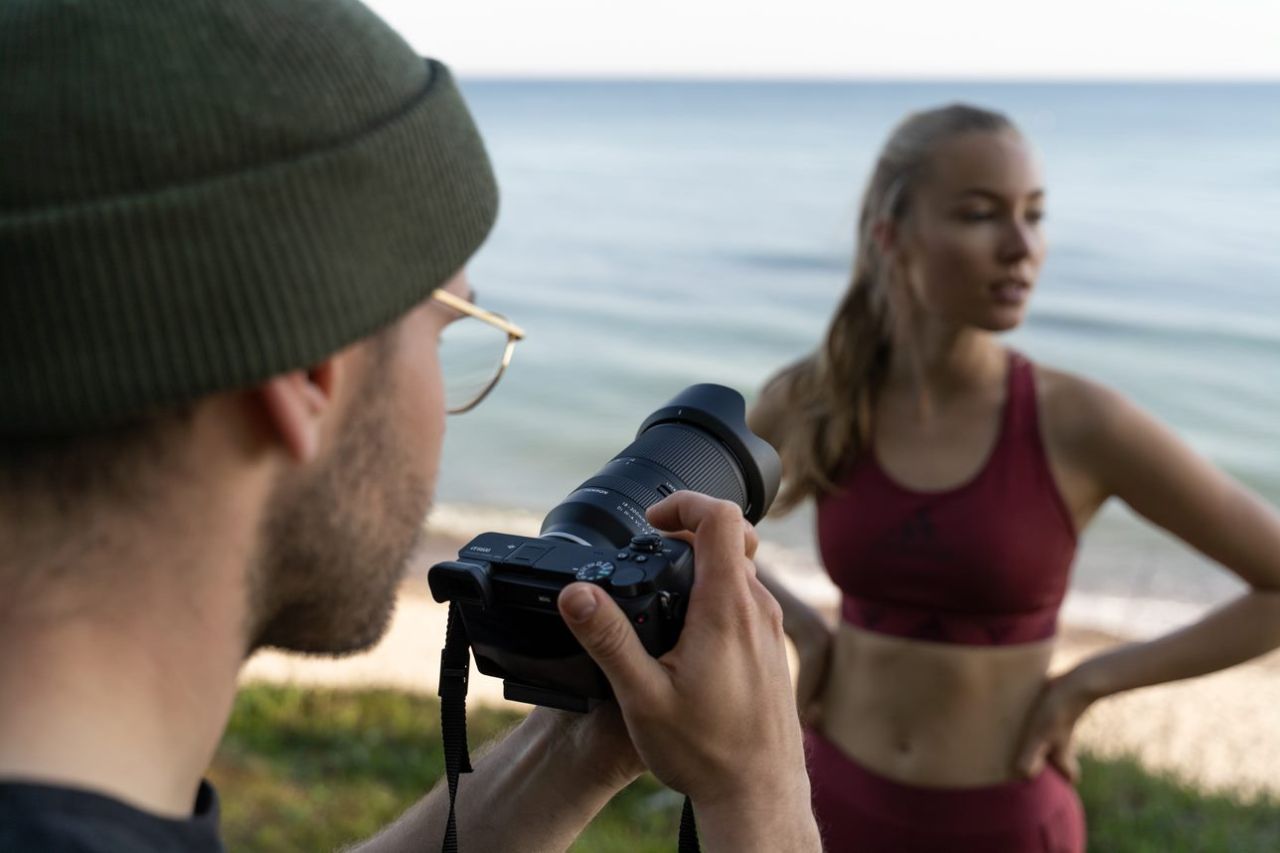
Wofür nutze ich das Objektiv? Für Tiere, Menschen, Stadt und Landschaft. Skurrilerweise gefallen mir Portraits mit diesem Objektiv sehr gut. Das hatte ich nicht erwartet. Dieser Kompressions-Effekt ist etwas, was mir visuell doch sehr gefällt. Da stört dann auch die Lichtstärke kaum (es muss halt einigermaßen hell sein, hehe). Mir gefallen Portraits mit dem 17-70 aber etwas besser.
Das Bokeh ist hübsch, etwas "swirlig", erinnert mich an das...Helios 44-2. Es unterscheidet sich dahingehend deutlich zum 17-70. Beim 17-70 ist es "weich", hier ist es "swirlig". Etwas künstlerisch beinahe.
Bei Tieren habe ich die Erfahrung gemacht, dass sie nicht zu weit entfernt sein sollten. Alles, was weiter als ~10 Meter entfernt ist, konnte ich nicht sinnvoll fokussieren (in der Hand gehalten, ohne Dreibein). Je näher desto besser. Die Erwartung den kleinen Gänsesäger in der Mitte eines großen Teichs aus der Hand zu fotografieren erfüllte sich leider nicht. Die Ente, Möwe oder Gans am Rand des Teichs zu erwischen ist aber damit sehr einfach, da ich den nötigen Abstand halten kann, der notwendig ist, damit sie nicht wegfliegen.
Eine Sache, die mich persönlich immer wieder zu Tamron bringt, ist die Farbe und der Kontrast. Das ist jetzt sehr subjektiv, aber in Kombination mit meiner Sony Alpha 6700 gefallen mir die Farben und die Kontraste sehr gut. Es ist sehr "warm". Und ja, das kann man nachträglich in Lightroom (oder in jeder anderen Software) korrigieren, aber häufig will ich die Fotos sofort "zeigen" und wenn ich meine Objektive von Sony oder Sigma benutze, sieht das alles recht "flau" aus. Bitte bedenken, dass ich Amateur und kein Profi bin. Und ja, ich spiele mit Weißabgleich herum, aber die Auswirkungen mit meinen Tamron-Objektiven sind deutlich sichtbarer. Bei meinem 1.8er 50mm OSS APS-C von Sony werden die Farben und Kontraste erst ab Blende 2.5-2.8 "richtig". Solche Probleme kenne ich bei Tamron zum Beispiel nicht.
Vielleicht interessant für Nutzer älterer Sony Alpha 6x00: an meiner alten Sony Alpha 6000 mit neuem Akku von 2025 verbrauchen die beiden Tamron-Objektive 17-70 und 18-300 relativ viel Strom. An der 6000 kann man quasi zugucken wie der Akku sich im Betrieb entleert, ohne dass man fotografiert. Das mag am kleinen Akku der 6000 liegen und/oder an der schlechten Optimierung der 6000. Sie ist ja nicht bekannt für gute Akkuleistung :). Mit den beiden Tamron Zooms fiel es mir aber erheblich auf. Mit allen anderen Objektiven ist das kein Thema. Es kann auch sein, dass es an der Bildstabilisierung des Tamron liegt. Ich hatte deswegen auch den Tamron Support bemüht, aber das ist einfach so. Nur Sony gibt bei seinen Objektiven den Stromverbrauch an. Der Motor im Tamron-Objektiv ist immer aktiv, egal ob Steadyshot in der Kamera an oder aus ist. Wenn man das Ohr am Objektiv anlegt, hört man es auch. Für mich war das der Grund endlich die 6700 zu kaufen. Da ist der Akku groß und offensichtlich alles etwas besser optimiert. OSS ist auf jeden Fall deaktivierbar, aber irgendein Motor im Objektiv ist immer aktiv und das soll auch so laut Tamron Support.
Aber jetzt kommts! Der Preis :). Was Tamron hier für diesen Preis anbietet ist richtig gut. Ich kann damit leben, dass es nicht "knackscharf" ist. Ich gebe es nicht mehr her, genau so wenig wie mein 17-70.
Simply subscribe and receive weekly updates and offers on photography and video equipment.