
 Branches Shopping cartLogin NowBranches Shopping cartLogin Now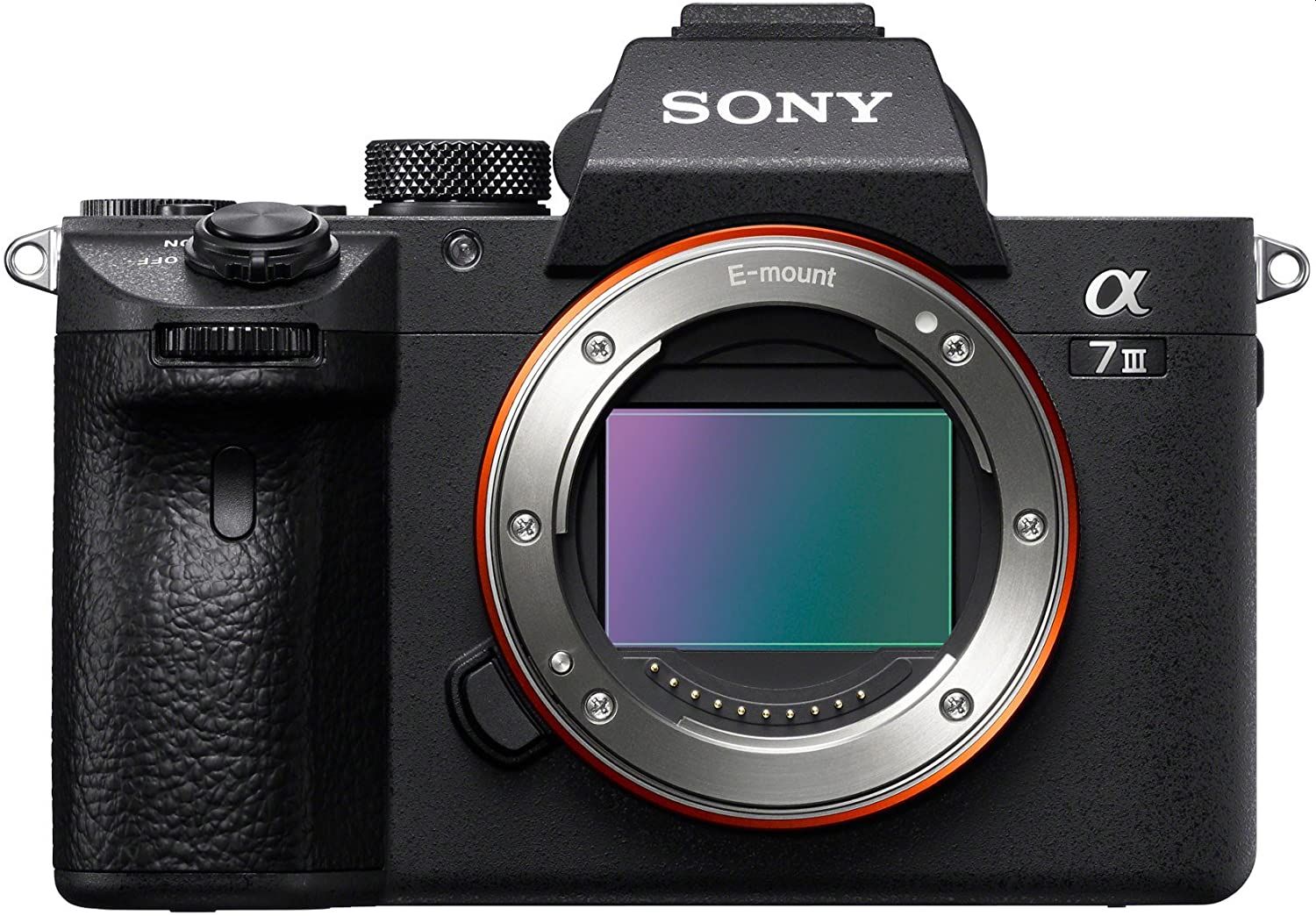
 Sony Alpha ILCE-7 III (ILCE7M3) Housing
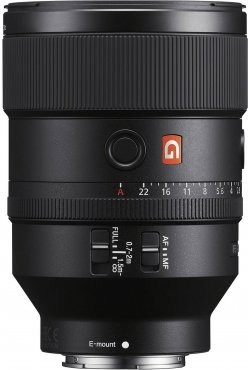
  Sony Alpha 7 III (7M3) + 24-70mm F2.8 GM
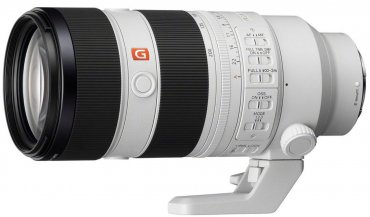
  Sony Alpha 7 III (7M3) + 28-70mm + SEL FE 70-200mm f2.8 GM
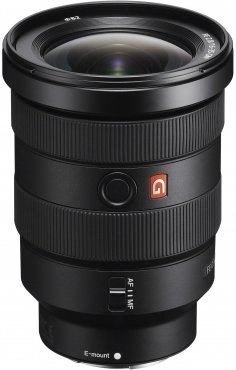
 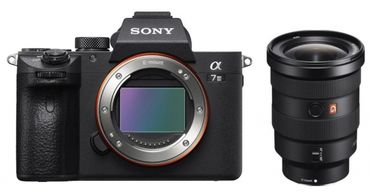 Sony Alpha 7 III (7M3) + FE 16-35mm f2.8
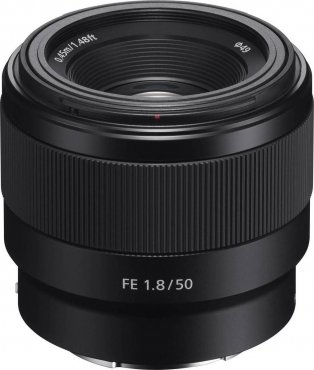
 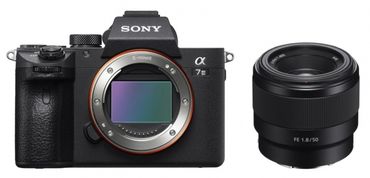 Sony Alpha 7 III (7M3) + FE 50mm f1.8 Prime
 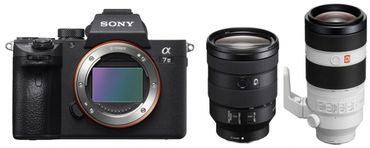 Sony Alpha 7 III (7M3) + SEL 24-105mm f4.0 + FE 100-400mm OSS
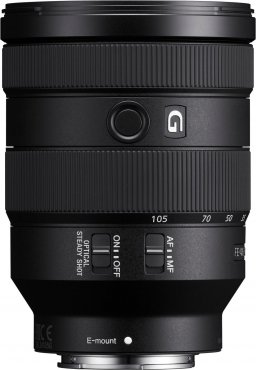
 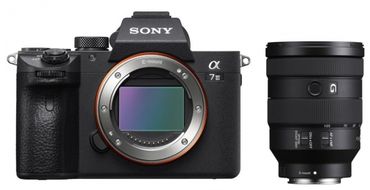 Sony Alpha 7 III (7M3) + SEL 24-105mm f4.0 G OSS
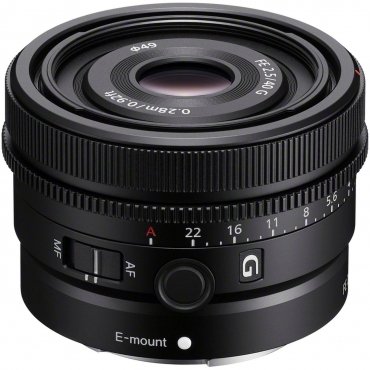
 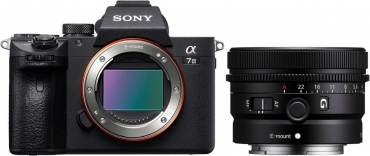 Sony Alpha 7 III (7M3) + SEL 40mm f2.5 G
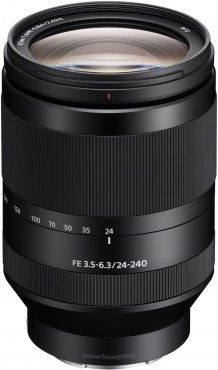
 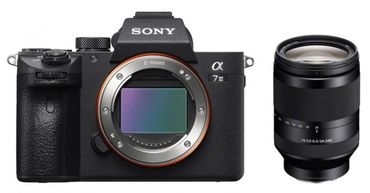 Sony Alpha 7 III (7M3) + SEL FE 24-240mm f3.5-6.3 OSS
 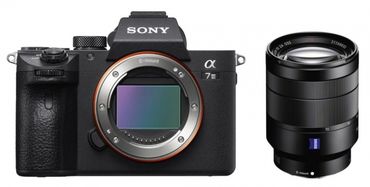 Sony Alpha 7 III (7M3) + SEL FE 24-70mm f4 ZA OSS
 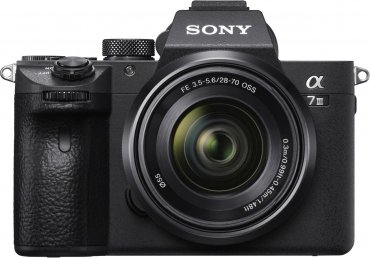 Sony Alpha 7 III (7M3) + SEL FE 28-70mm
 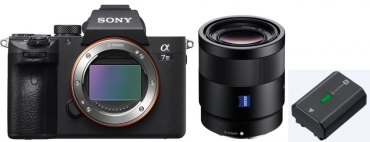 Sony Alpha 7 III (7M3) + SEL FE 55mm f1.8 and FZ100 Prokit
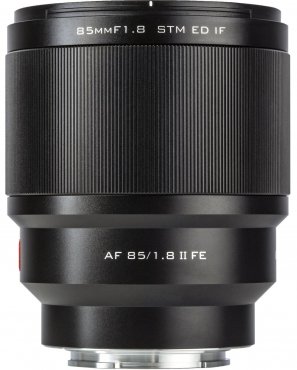
 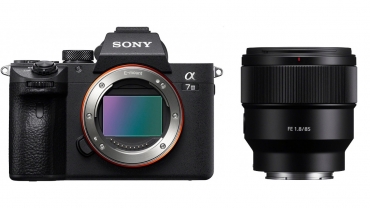 Sony Alpha 7 III (7M3) + SEL FE 85mm f1.8
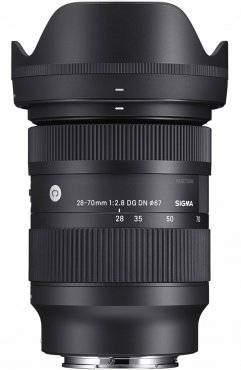
 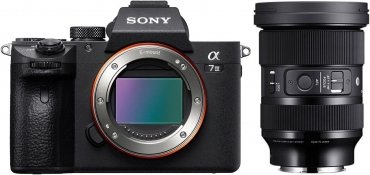 Sony Alpha 7 III (7M3) + Sigma 24-70mm f2.8
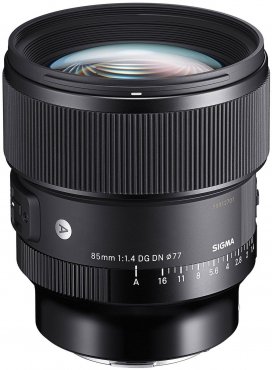
 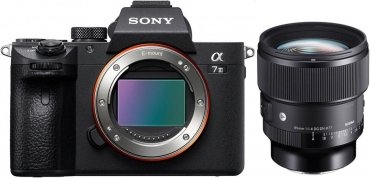 Sony Alpha 7 III (7M3) + Sigma 85mm f1.4 DG DN (A)
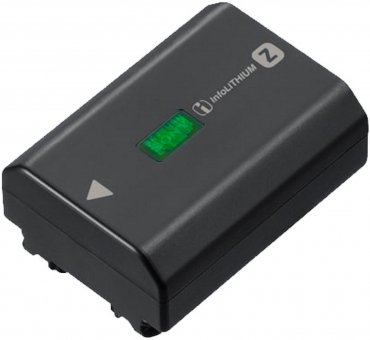
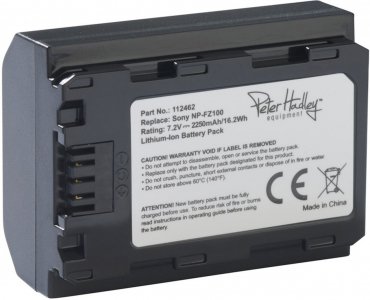
 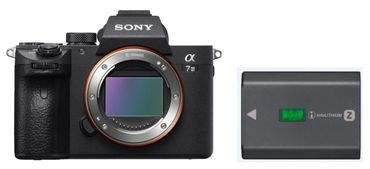 Sony Alpha 7 III (7M3) + Sony NP-FZ100 battery
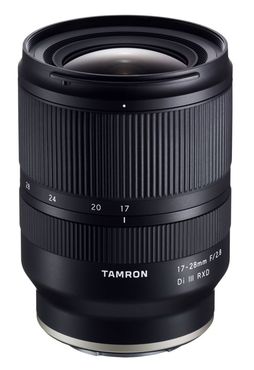
 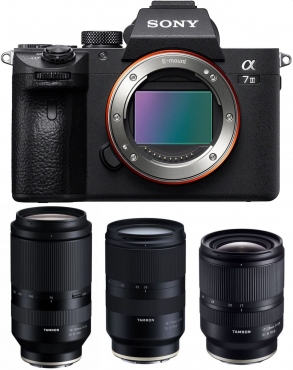 Sony Alpha 7 III (7M3) + Tamron 17-28mm + 28-75mm + 70-180mm
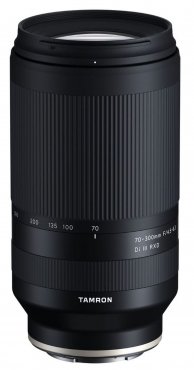
 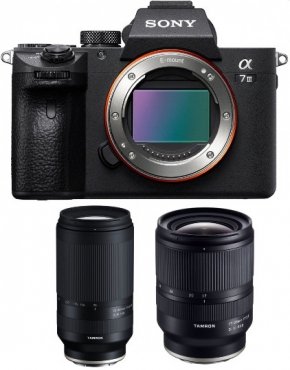 Sony Alpha 7 III (7M3) + Tamron 17-28mm + Tamron 70-300mm
 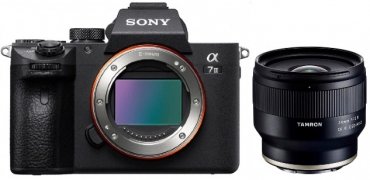 Sony Alpha 7 III (7M3) + Tamron 24mm f2.8 Di III OSD 1:2
 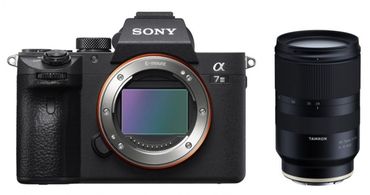 Sony Alpha 7 III (7M3) + Tamron 28-75mm f2.8 Di III RXD
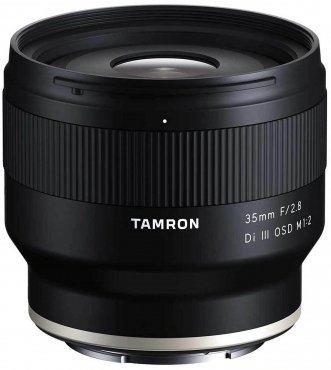
  Sony Alpha 7 III (7M3) + Tamron 35mm f2.8 Di III OSD 1:2
 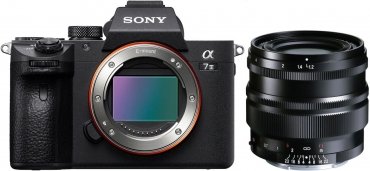 Sony Alpha 7 III (7M3) + Voigtländer Nokton SE 35mm f1.2
 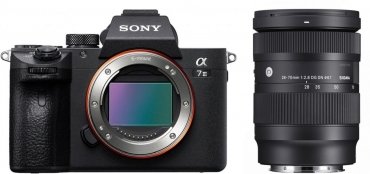 Sony Alpha 7 III (7M3B) + Sigma 28-70mm f2.8 DG DN (C) Sony-E
 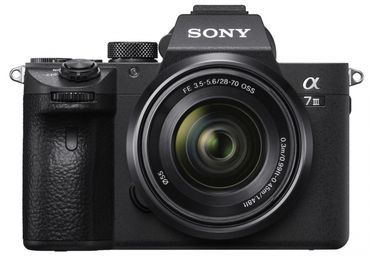 Sony Alpha 7 III (7M3KB) + 28-70 SEL + FE 70-300 mm f4.5-5.6 Sony Alpha 7 III + DJI RS3
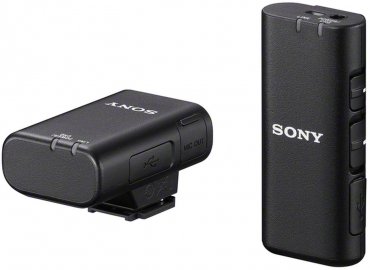
 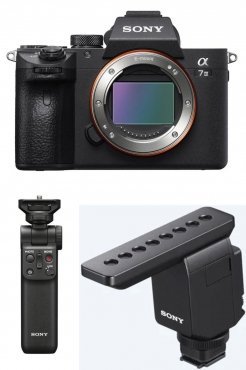 Sony Alpha 7 III + ECM-B1M Microphone + GP-VPT2BT Handle
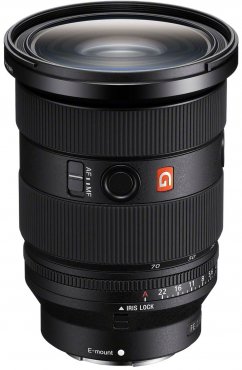
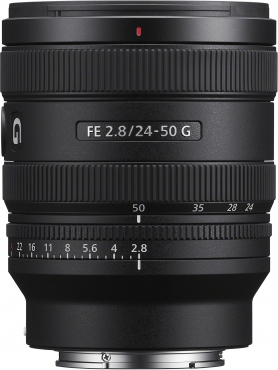
 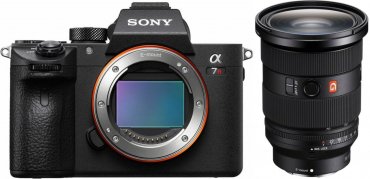 Sony Alpha 7 III + FE 24-70mm f2.8 GM II
 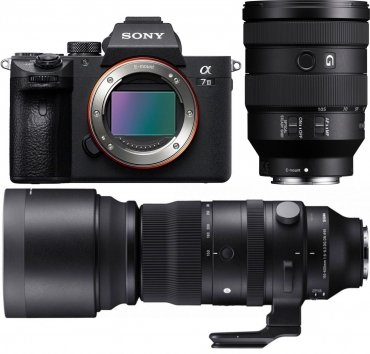 Sony Alpha 7 III + SEL 24-105mm f4.0 G + Sigma 150-600mm f5-6.3
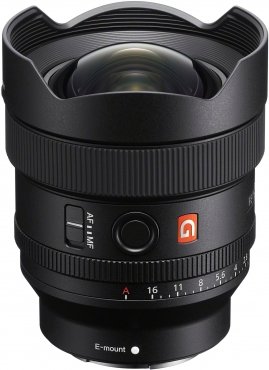
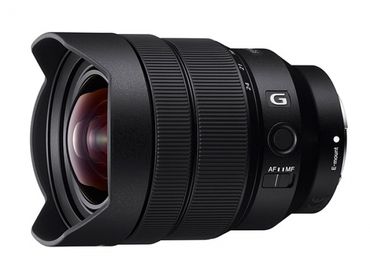
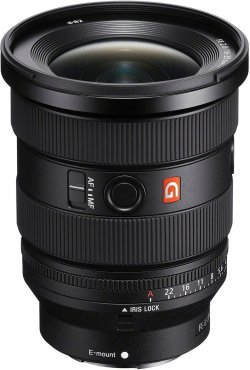
 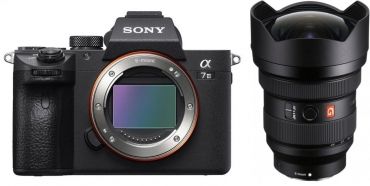 Sony Alpha 7 III + SEL FE 12-24mm f2.8 GM
 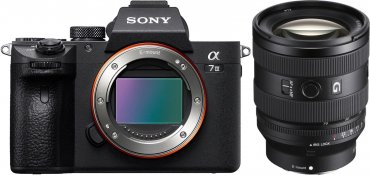 Sony Alpha 7 III + SEL FE 20-70mm f4 G
 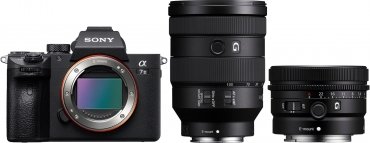 Sony Alpha 7 III + SEL FE 24-105mm f4.0 G OSS + SEL 24mm f2.5 G
 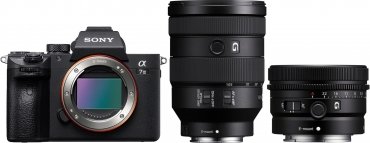 Sony Alpha 7 III + SEL FE 24-105mm f4.0 G OSS + SEL 24mm f2.8 G
 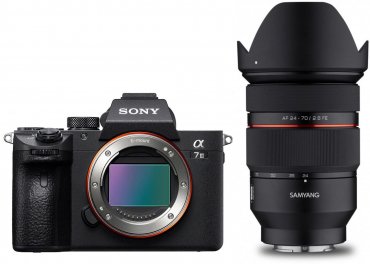 Sony Alpha 7 III + Samyang AF 24-70mm f2.8 FE
 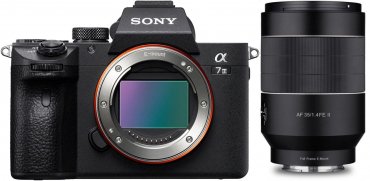 Sony Alpha 7 III + Samyang AF 35mm f1.4 FE II
 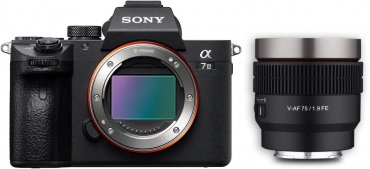 Sony Alpha 7 III + Samyang V-AF 75mm T1.9 FE
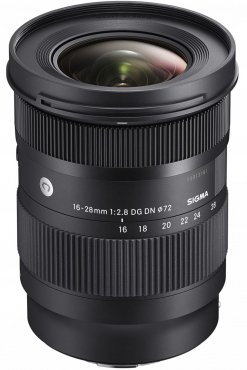
 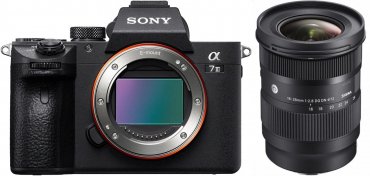 Sony Alpha 7 III + Sigma 16-28mm f2.8 DG DN
 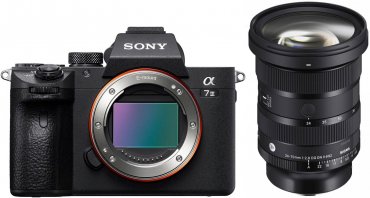 Sony Alpha 7 III + Sigma 24-70mm f2.8 DG DN II (A)
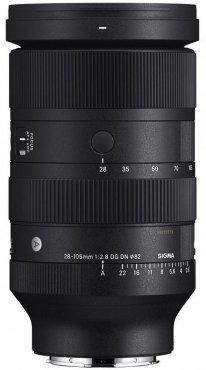
 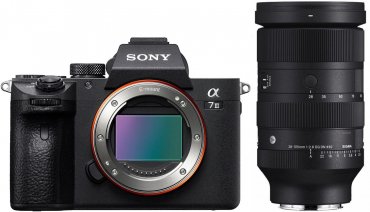 Sony Alpha 7 III + Sigma 28-105mm f2.8 DG DN
 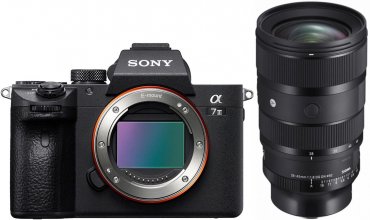 Sony Alpha 7 III + Sigma 28-45mm f1.8 DG DN
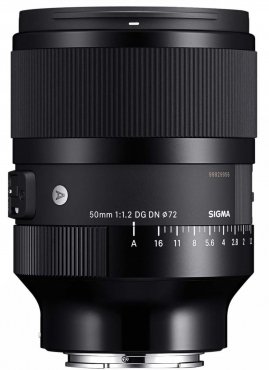
 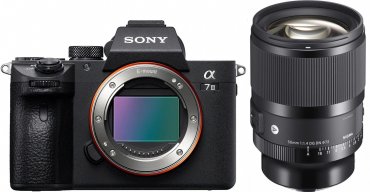 Sony Alpha 7 III + Sigma 50mm f1.4 DG DN (A)
 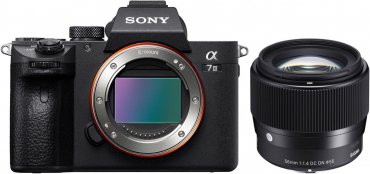 Sony Alpha 7 III + Sigma 56mm 1.4 DC DN
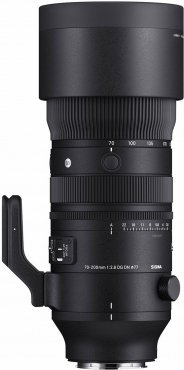
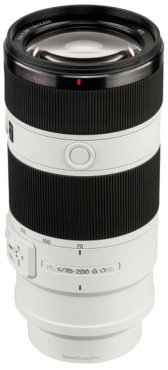
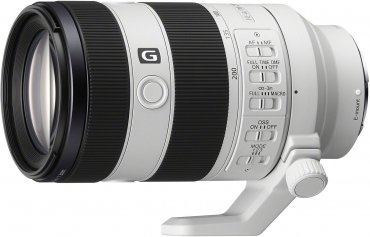
 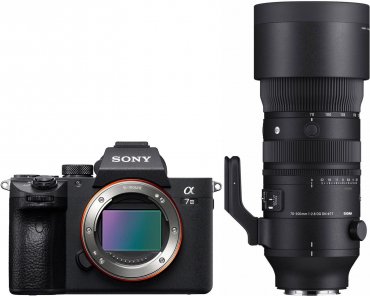 Sony Alpha 7 III + Sigma 70-200mm f2.8 DG DN OS (S)
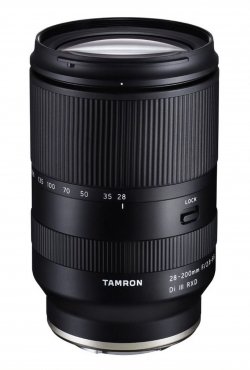
 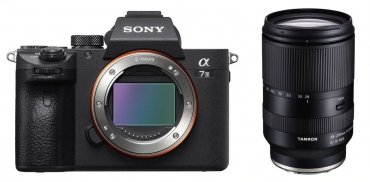 Sony Alpha 7 III + Tamron 28-200mm f2.8-5.6 Di III RXD
 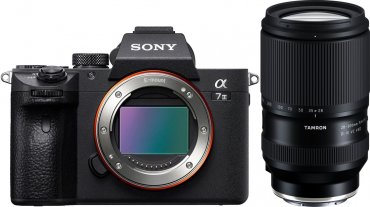 Sony Alpha 7 III + Tamron 28-300mm f4-7.1 Di-III VC VXD Sony E
 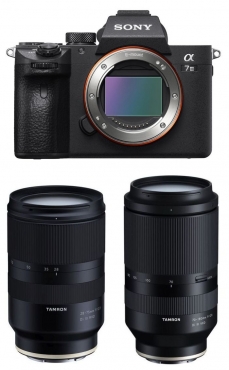 Sony Alpha 7 III + Tamron 28-75mm f2.8 + 70-180mm f2.8
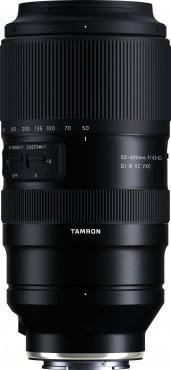
 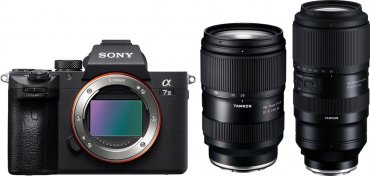 Sony Alpha 7 III + Tamron 28-75mm f2.8 + Tamron 50-400mm f4.5-6.3
 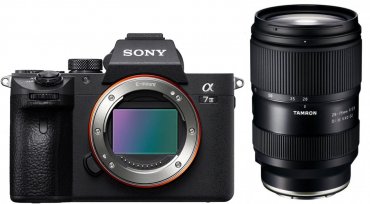 Sony Alpha 7 III + Tamron 28-75mm f2.8 Di III VXD G2
 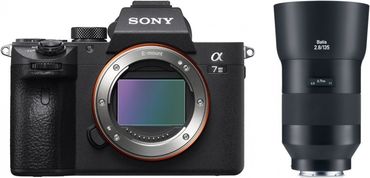 Sony Alpha 7 III + ZEISS Batis 135mm f2.8 Sony Alpha 7 III + ZEISS Loxia 21mm f2,8 Sony Alpha 7 III + ZEISS Loxia 25mm f2,4 Sony Alpha 7 III + ZEISS Loxia 35mm f2,0 Sony Alpha 7 III + ZEISS Loxia 50mm f2,0 Sony Alpha 7 III + ZEISS Loxia 85mm f2,4
 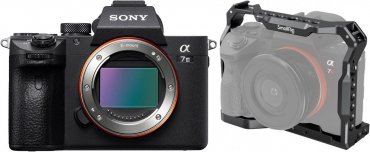 Sony Alpha 7 III +SmallRig 2918 Light Cage
 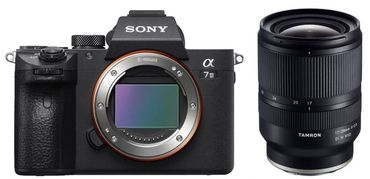 Sony Alpha 7 III +Tamron 17-28mm f2.8 Di III RXD Sony E-mount
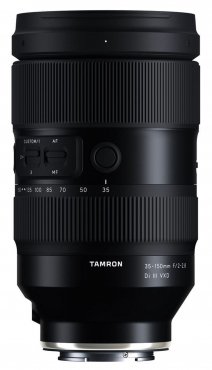
 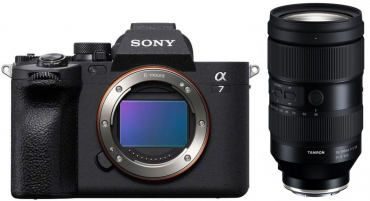 Sony 7 III (7M3) + Tamron 35-150mm f2-2.8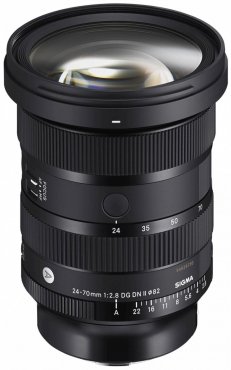
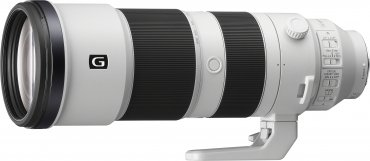
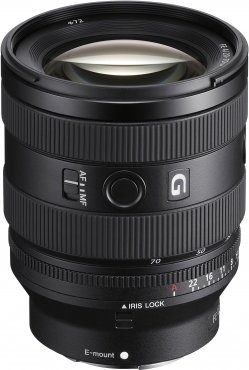
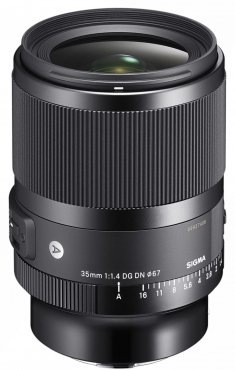
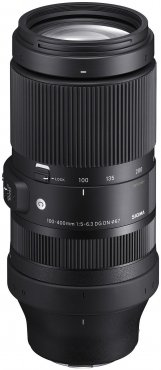
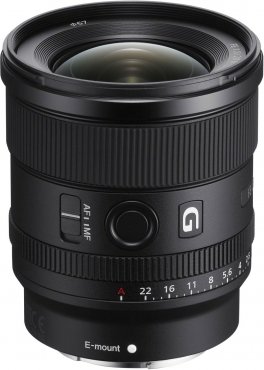
![Sigma 150-600mm f5-6.3 DG DN OS [S] Sony E-mount](https://media.foto-erhardt.de/images/product_images/thumbnail_images/907/sigma-150-600mm-f5-63-dg-dn-os-s-sony-e-mount-162814386990790304.jpg)

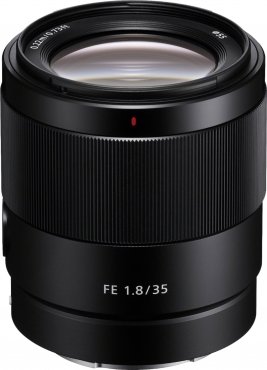
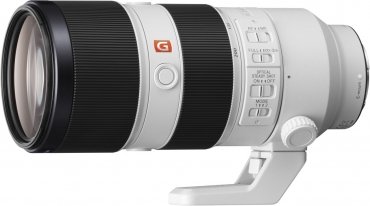
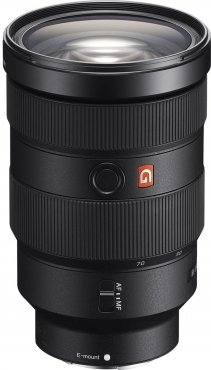
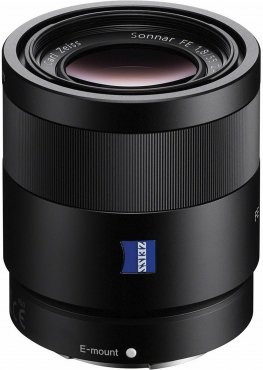
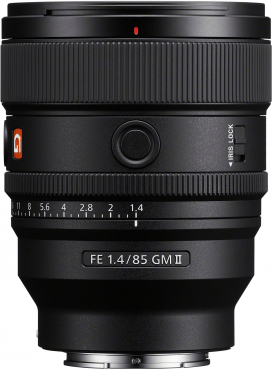
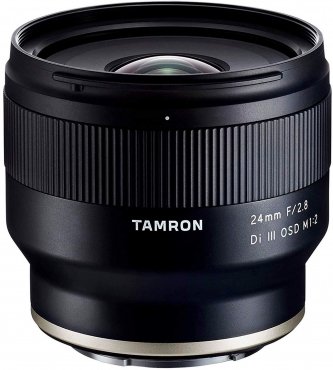
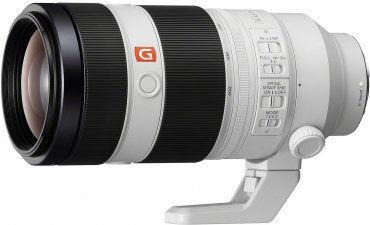
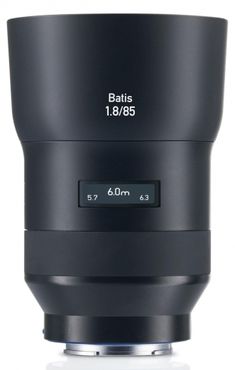
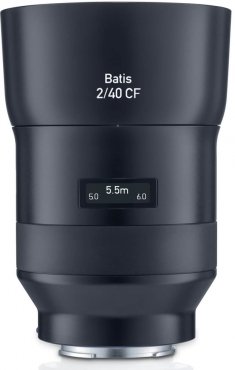
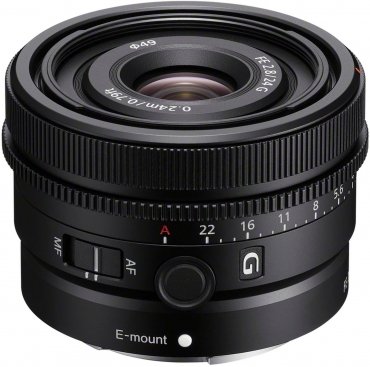
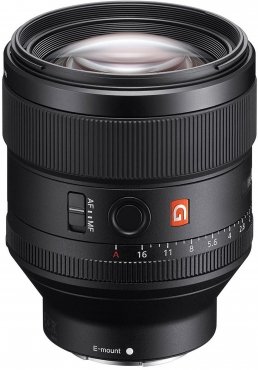
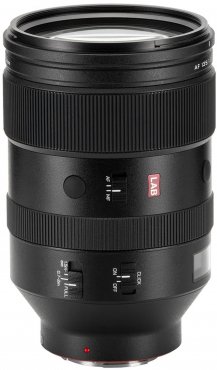
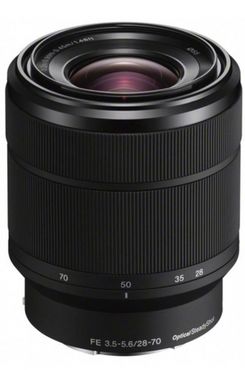
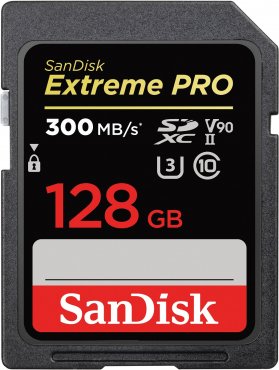
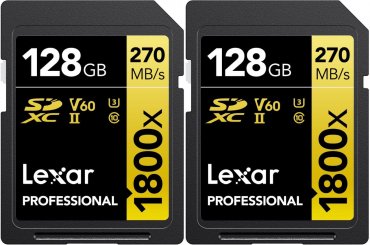
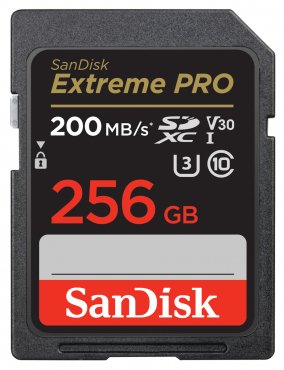
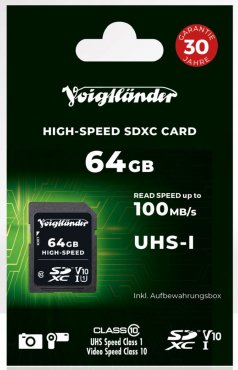
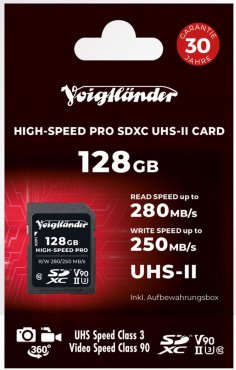
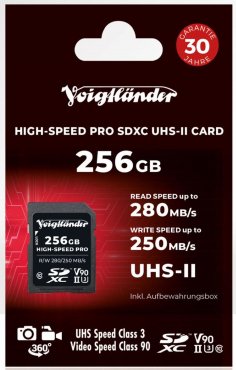
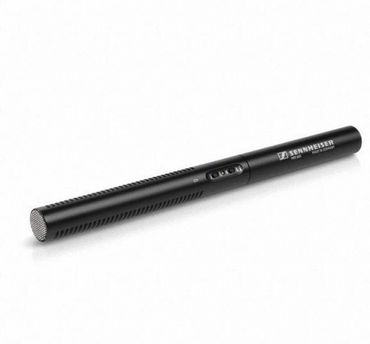
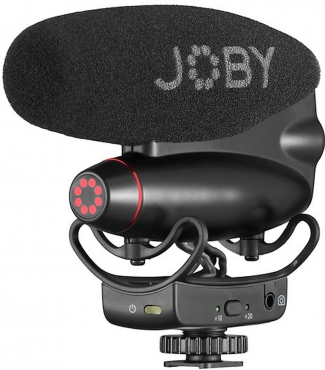
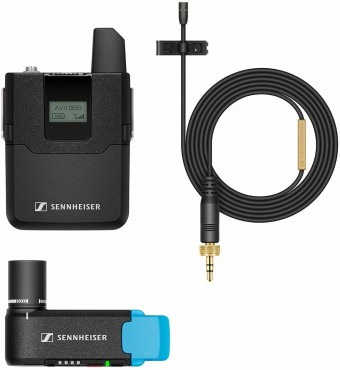
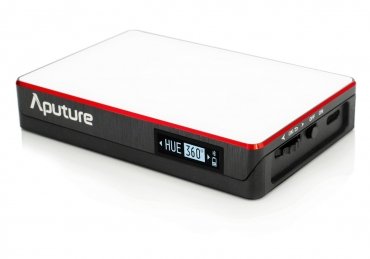
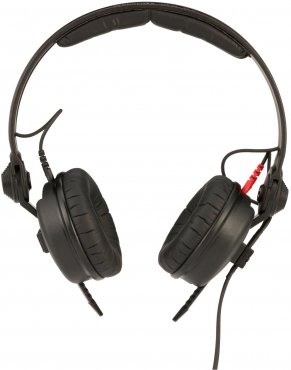
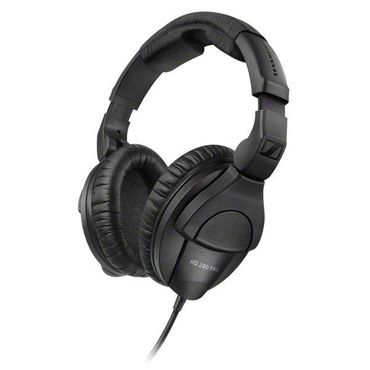
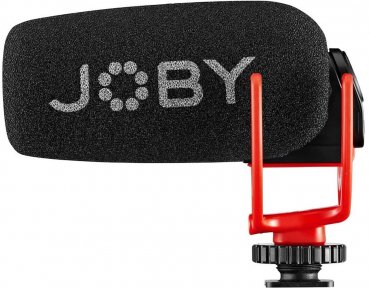
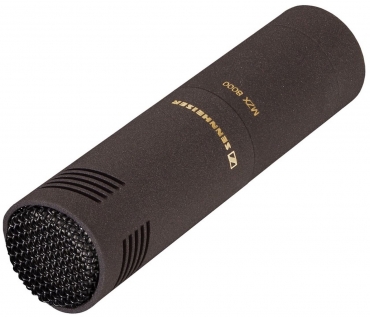
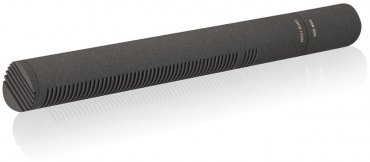
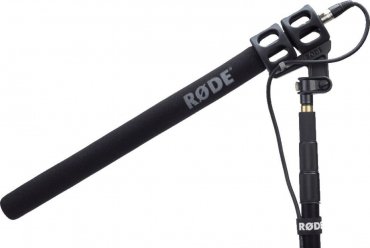
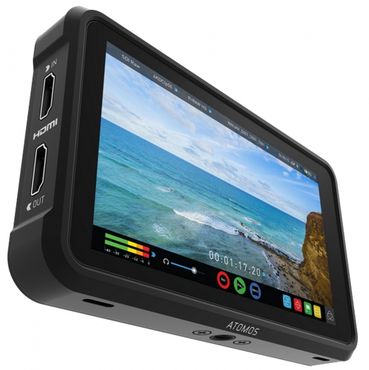
Die neue A7III merzt gekonnt die allermeisten bekannten Schwachpunkte aus und avanciert damit zum wirklich praktisch nutzbaren DSLR-Ersatz. Vor allem Autofokus, Akku, Lowlightfähigkeiten und diverse Kinderkrankheiten der A7/II wurden beseitigt. Die Verarbeitung wurde verfeinert (kein Knarzen mehr, der Kartenschachtdeckel hält), leider wurde das Touchdiplay nur halbherzig zum Setzen des Fokuspunktes umgesetzt. Das Menü ist verbessert, aber imer noch unlogisch.
Insgesamt ein klarer Fortschritt.
Your opinion counts! Are you satisfied with this product? Write a short review and help others to find a suitable product!
Rate productThe best purchase in years from one of the best dealers in Germany.
Review automatically translated! Show originalDie beste Anschaffung seit Jahren bei einem der besten Händler, die es in Deutschland gibt.
Great camera that is easy to handle. Nico is a bit complicated but once you've configured everything, you don't go in that often.
Review automatically translated! Show originalTolle Kamera, die gut im Handling ist. Nico ist etwas kompliziert aber wenn man sich erst einmal alles konfiguriert hat, geht man nicht mehr so oft rein.
The camera is light and very handy.I take very good pictures with the camera.The lens fits.
Review automatically translated! Show originalDie Kamera ist leicht und sehr handlich.
Ich mache sehr gute Bilder mit der Kamera.
Das Objektive passt.
Very fast processing even with additional and subsequent requirements. Insanely courteous and caring contact.Too bad that only five stars are possible.
Review automatically translated! Show originalSehr schnelle Bearbeitung auch bei zusätzlichen und nachträglichen Anforderungen. Wahnsinnig zuvorkommender und sich kümmernder Kontakt.
Schade, dass nur fünf Sterne möglich sind.
Sony Alpha a7 III + Sigma 24-70 Art, a dream combo in the full-frame camera category.Price / performance ratio top!
Review automatically translated! Show originalSony Alpha a7 III + Sigma 24-70 Art, eine traumhafte Kombi in der Kategorie Vollformat-Kameras.
Preis/Leistungsverhältnis Top!
schnelle und einwandfreie Lieferung
die Kamera aus dem Hause Sony ist Top
ich bin sehr zufrieden
Schnelle Lieferung , alles super!
vielseitig einsetzbar und doch gut zu bedienen.
Sehr gute Qualität! Schade, das das 1:1 Format (für online Shops) bei dieser Kamera nicht mehr einstellbar ist.Hat Sony leider eingespart!
Ich bin von Nikon Z50 auf Canon EOS R6 und dann auf Nikon Z6 II umgestiegen. Da ich mich so langsam aber sicher auf Wildlife (Schwerpunkt Vogelfotografie) festgelegt bzw. verliebt habe, ging mir der Autofokus den Nikon in seine Systemkameras einbaut ziemlich auf den Keks. Sehr häufig wurde der Hintergrund fokussiert und der Ausschuss aus Out-of-Focus-Bildern war echt nicht mehr lustig.
Hab mich dann für die Sony Alpha 7 III mit dem Tamron 28-75 f2.8 entschieden. Zusätzlich hab ich mir noch das geniale 200-600 von Sony dazu bestellt.
Was soll ich sagen, ich bin endlich bei meinem Hersteller angekommen. Top Autofokus. Klasse Haptik (hatte hier etwas Angst, aber komme mit meinen Pranker echt super zurecht). Bildqualität bis ISO 12.800 gut zu gebrauchen, Stichwort Topaz Denoise. 10 Bilder die Sekunde sehr flott und mit 8 Bildern/sec auch noch in Echtzeit.
Finde auch das Objektiv echt klasse. Gibt zwar bald den Nachfolger, aber bin damit zufrieden. Sehr leicht und scharf. Lightroom hat ein eigenes Profil für das Objektiv und als RAW-Shooter kein Problem in meinen Augen.
Durch den Wechsel habe ich meine Keeper-rate stark nach oben geschraubt. Was sich allerdings negativ auf den Workflow im Nachgang äußert. Wenn so gut wie alle Bilder scharf sind, dauert das bei durchschnittlich 400 Stück pro Session schon etwas länger.
Ein Hammer-Objektiv für meine Alpha 7III, gepaart mit dem Service von Foto-Erhard: beste Empfehlung.
Ich hatte bislang noch kein schärferes Objektiv in meinem Besitz. Zwar teuer, aber sehr gut.
Die neue A7III merzt gekonnt die allermeisten bekannten Schwachpunkte aus und avanciert damit zum wirklich praktisch nutzbaren DSLR-Ersatz. Vor allem Autofokus, Akku, Lowlightfähigkeiten und diverse Kinderkrankheiten der A7/II wurden beseitigt. Die Verarbeitung wurde verfeinert (kein Knarzen mehr, der Kartenschachtdeckel hält), leider wurde das Touchdiplay nur halbherzig zum Setzen des Fokuspunktes umgesetzt. Das Menü ist verbessert, aber imer noch unlogisch.
Insgesamt ein klarer Fortschritt.

 4.67/5 — More than 200 reviews
Simply subscribe and benefit as a newsletter recipient every week: